
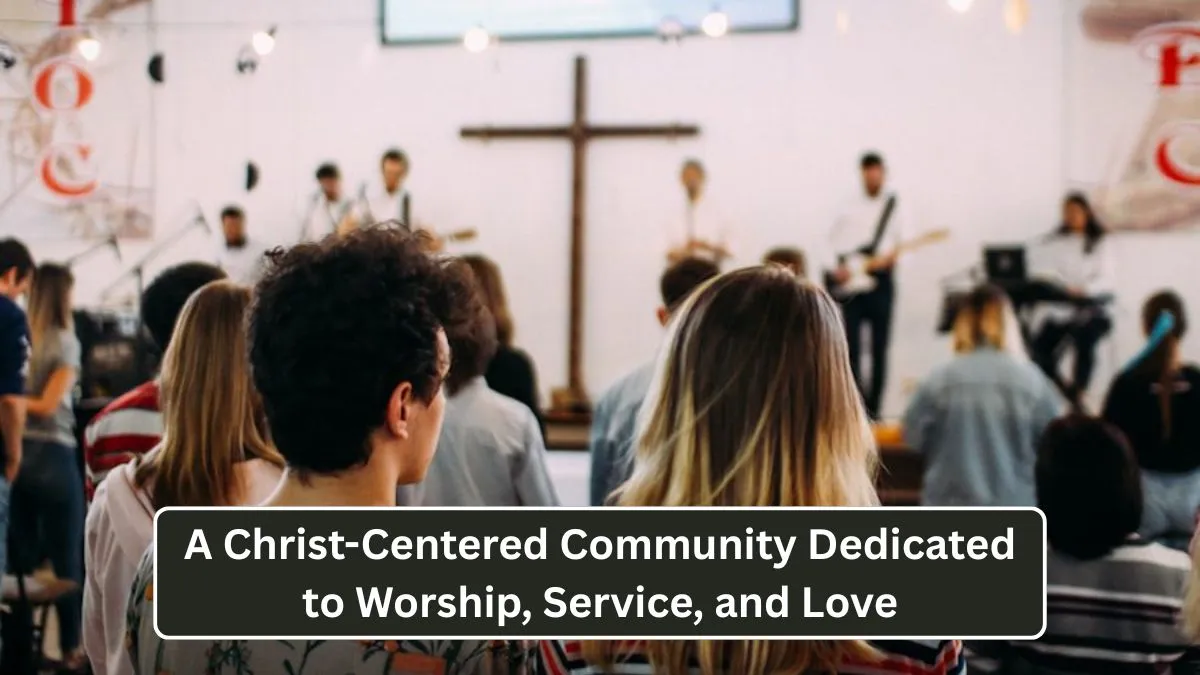
A Christ-centered community dedicated to worship, service, and love represents far more than a gathering place for weekly meetings; it becomes a living testimony of faith expressed through relationships, compassion, and purposeful action. Such a community reflects the heart of the gospel by creating space where people encounter spiritual encouragement, practical support, and opportunities to grow together in meaningful ways.
Worship nurtures devotion, service demonstrates commitment to others, and love shapes every interaction with grace and humility. When these three pillars work together consistently, they form a welcoming environment that strengthens individuals and families while extending hope beyond church walls into neighborhoods and wider society.

In a rapidly changing world where many seek belonging and clarity, a Christ-centered community offers stability, direction, and encouragement. It becomes a place where faith is practiced daily, shared openly, and lived authentically through compassionate relationships that reflect Christ’s character.
Worship as the Foundation of Spiritual Life
Worship stands at the center of a Christ-centered community because it anchors believers in gratitude, reverence, and spiritual awareness that shapes their daily decisions and relationships. Through meaningful gatherings filled with prayerful reflection, uplifting music, and Scripture-centered teaching, worship creates opportunities for individuals to reconnect with God while strengthening their sense of purpose and identity.
Rather than remaining limited to formal services, authentic worship extends into everyday life through attitudes of humility, thanksgiving, and obedience that influence how people treat others. A healthy community encourages participation that welcomes diverse expressions of devotion while remaining rooted in biblical truth and shared faith traditions.

When worship becomes a lifestyle instead of a routine event, it transforms both personal faith and collective unity. This shared spiritual focus nurtures resilience during challenges and cultivates gratitude during seasons of blessing, helping members remain grounded in hope and guided by Christ-centered values consistently.
Biblical Teaching That Shapes Understanding and Direction
Strong biblical teaching provides clarity and direction for a Christ-centered community by helping individuals understand spiritual truths and apply them meaningfully in everyday situations. Consistent exposure to Scripture encourages thoughtful reflection, strengthens moral awareness, and builds confidence in God’s promises while guiding believers toward wise decisions and compassionate relationships.
Teaching environments that invite questions and discussion create opportunities for deeper engagement rather than passive listening, allowing members to explore faith with sincerity and curiosity. When leaders emphasize both knowledge and practical application, Scripture becomes a living guide rather than distant history, inspiring transformation within families, friendships, and workplaces.

This approach encourages personal responsibility for spiritual growth while strengthening unity through shared understanding. Over time, biblical teaching forms a stable foundation that helps communities remain faithful during uncertainty, compassionate during conflict, and hopeful during difficult seasons, ensuring that spiritual maturity continues developing across generations together consistently.
Prayer as the Heartbeat of Community Connection
Prayer strengthens the spiritual life of a Christ-centered community by creating meaningful opportunities for individuals to seek guidance, express gratitude, and support one another through shared faith experiences. When members gather regularly for prayer, they cultivate trust and openness that encourages honest conversations about challenges, hopes, and personal growth journeys.
Prayer also reminds communities that their strength comes from reliance on God rather than individual ability alone, fostering humility and unity across diverse backgrounds and perspectives. Collective prayer moments create space for encouragement during hardship while celebrating answered prayers that reinforce confidence in God’s presence. Personal prayer habits further strengthen community connections by shaping attitudes of patience, forgiveness, and compassion that influence everyday interactions.
As prayer becomes a consistent rhythm within community life, it nurtures spiritual sensitivity and deepens relationships, helping individuals remain grounded in faith while supporting one another through both joyful milestones and difficult transitions.
Fellowship That Builds Authentic Relationships
Fellowship plays a vital role within a Christ-centered community because it transforms shared beliefs into meaningful relationships that encourage trust, belonging, and mutual support among members. Genuine fellowship moves beyond casual interaction by creating intentional opportunities for conversation, hospitality, and shared experiences that strengthen connections across generations and cultural backgrounds.
Through regular gatherings, small groups, and community events, individuals discover safe spaces where they can share challenges and celebrate achievements without fear of judgment. These relationships help reduce isolation while encouraging spiritual accountability that supports personal growth and emotional resilience. When fellowship remains centered on Christ’s example of humility and kindness, it promotes unity rather than division and cooperation rather than competition.
Over time, consistent fellowship shapes a welcoming culture where newcomers feel valued quickly and long-term members remain deeply connected, ensuring that community life reflects compassion, encouragement, and shared purpose throughout every season of spiritual development.
Service That Demonstrates Faith Through Action
Service expresses the practical dimension of faith within a Christ-centered community by transforming compassion into visible acts that meet real needs and strengthen relationships both inside and outside the congregation. When members participate together in outreach activities, they develop a shared sense of responsibility for supporting neighbors facing challenges related to poverty, loneliness, or limited resources.
Service opportunities also allow individuals to discover personal strengths and spiritual gifts while contributing meaningfully to collective mission efforts that reflect Christ’s example of generosity and humility. Through partnerships with local organizations and volunteer initiatives, communities extend encouragement beyond their immediate gatherings, creating lasting connections that build trust and hope.
Regular involvement in service helps believers understand that faith includes action as well as belief, inspiring consistent commitment to kindness and cooperation. Over time, service becomes a defining characteristic that strengthens identity and demonstrates the community’s dedication to love through practical support.
Compassion That Reflects Christ’s Character Daily
Compassion remains essential within a Christ-centered community because it reflects the heart of Christ’s ministry and shapes how members respond to the needs and struggles of others with sincerity and respect. When compassion guides interactions, communities become safe environments where individuals feel understood rather than judged and supported rather than overlooked.
This atmosphere encourages honesty about personal difficulties while promoting patience and empathy across different life experiences and perspectives. Compassionate responses also strengthen relationships beyond church gatherings by inspiring members to extend kindness into workplaces, schools, and neighborhoods where encouragement is often needed most.
Through consistent acts of listening, caring presence, and thoughtful assistance, communities demonstrate that faith includes practical concern for human dignity and well-being. Over time, compassion becomes a defining cultural value that influences decision making, strengthens unity, and reminds individuals that love remains central to every meaningful expression of Christian faith and community life.
Discipleship That Encourages Lifelong Spiritual Growth
Discipleship strengthens a Christ-centered community by guiding individuals toward deeper understanding of faith while encouraging consistent spiritual development through mentorship, study, and shared accountability. Effective discipleship creates structured opportunities where experienced believers support others in learning how to apply biblical principles thoughtfully within everyday responsibilities and relationships.
These connections help individuals grow in confidence as they discover practical ways to live according to Christ’s teachings while navigating modern challenges with wisdom and patience. Discipleship also encourages reflection on personal values, priorities, and goals, helping members remain focused on spiritual maturity rather than temporary distractions.
When communities invest intentionally in discipleship programs across different age groups, they create environments where learning continues throughout every stage of life. Over time, this commitment strengthens leadership capacity, deepens unity, and ensures that faith remains active and relevant as individuals continue growing together within a supportive and purpose-driven spiritual community.
Supporting Families and Younger Generations Faithfully
A Christ-centered community recognizes the importance of supporting families and younger generations by creating environments where children, teenagers, and parents grow together in faith through encouragement, guidance, and shared learning experiences. When communities invest thoughtfully in age-appropriate teaching and mentoring opportunities, they help young people develop confidence in their beliefs while forming positive relationships that influence their future decisions and character development.
Parents benefit from supportive networks that offer practical advice and emotional encouragement as they guide their families through changing social expectations and responsibilities. Activities designed for intergenerational participation strengthen connections across age groups while reinforcing shared values rooted in Scripture and mutual respect.
Over time, consistent investment in families helps communities remain vibrant and resilient because younger members feel welcomed and valued rather than overlooked. This intentional focus ensures that faith traditions continue strengthening future generations while promoting unity and stability within the entire community.
Leadership That Models Integrity and Humility
Leadership plays a significant role within a Christ-centered community because it shapes direction, builds trust, and encourages cooperation through consistent examples of integrity, humility, and accountability. When leaders demonstrate transparency in decisions and remain approachable in relationships, they create environments where members feel respected and confident participating actively in community life.
Effective leadership also involves listening carefully to diverse perspectives while guiding conversations toward solutions that reflect shared values and spiritual priorities. By focusing on service rather than authority alone, leaders inspire others to contribute their abilities and insights generously for the benefit of the entire community. Training future leaders ensures continuity and stability while encouraging new ideas that strengthen mission efforts and outreach initiatives.
Over time, leadership grounded in humility helps communities remain united during challenges and adaptable during change, ensuring that collective goals continue reflecting Christ-centered principles and supportive collaboration among all members consistently.
Welcoming Diversity While Preserving Unity in Faith
A Christ-centered community becomes stronger when it welcomes people from diverse backgrounds while preserving unity through shared commitment to faith, respect, and cooperation. Diversity introduces new perspectives that enrich conversations, strengthen understanding, and encourage creativity in addressing community needs with thoughtful sensitivity and openness.
When individuals feel welcomed regardless of personal history or circumstances, they become more willing to participate actively and contribute their experiences toward collective growth. Maintaining unity requires intentional communication that emphasizes common values rooted in Scripture while encouraging patience during differences of opinion. This balance helps communities remain inclusive without losing clarity about their spiritual identity and mission.
Over time, welcoming diversity strengthens resilience because members learn how to support one another respectfully across cultural differences while remaining focused on shared purpose. Such unity reflects Christ’s example of love and hospitality, encouraging relationships that remain strong through both change and challenge.
Generosity and Stewardship That Strengthen Mission Efforts
Generosity plays an essential role within a Christ-centered community because it supports ministry activities while encouraging members to recognize their resources as opportunities for meaningful contribution rather than personal ownership alone. When communities practice responsible stewardship, they ensure that financial support, volunteer efforts, and shared facilities remain aligned with mission priorities that benefit both local neighborhoods and broader outreach initiatives.
Teaching stewardship helps individuals understand how thoughtful planning and consistent giving create stability that allows ministries to respond effectively during emergencies and long-term development projects. Transparency in financial communication builds trust while encouraging participation from members who appreciate accountability and clarity regarding community decisions.
Over time, generosity becomes a shared value that strengthens cooperation and inspires confidence in collective mission goals. This culture of stewardship reflects gratitude for God’s provision while encouraging responsible management that supports sustainable growth and compassionate service throughout every stage of community development together.
Extending Love Beyond Church Walls Through Outreach
Outreach represents a natural expression of love within a Christ-centered community because it demonstrates commitment to serving others beyond familiar gatherings and established relationships. When communities engage intentionally with surrounding neighborhoods through educational support, humanitarian assistance, and partnership initiatives, they create opportunities to build trust and strengthen connections with people who may feel overlooked elsewhere.
Outreach efforts also help members understand how faith becomes meaningful when it addresses real-life challenges with compassion and cooperation. By listening carefully to community needs before responding with practical solutions, outreach programs remain respectful and effective while promoting dignity and mutual understanding. These activities encourage collaboration across different groups while demonstrating that love remains central to every aspect of community identity.
Over time, consistent outreach strengthens credibility and expands opportunities for positive influence, ensuring that the message of hope continues reaching individuals who benefit from encouragement, support, and genuine relationships rooted in faith.
Last Thought
A Christ-centered community dedicated to worship, service, and love continues shaping lives through meaningful relationships, shared purpose, and compassionate action that reflects faith in everyday experiences. When individuals gather with sincerity and commitment, they create environments where encouragement replaces isolation and cooperation strengthens hope for the future.
Communities that remain rooted in prayer, Scripture, and outreach become lasting sources of stability during uncertain times while inspiring others through consistent kindness. By continuing to practice humility, generosity, and unity, such communities demonstrate how faith becomes visible through daily living, creating opportunities for transformation that extend far beyond traditional gatherings.
FAQs
What defines a Christ-centered community?
A Christ-centered community focuses on worship, Scripture, service, and relationships shaped by Christ’s teachings.
Why is service important in Christian community life?
Service expresses faith through action and strengthens connections with people inside and outside the community.
How does fellowship strengthen believers?
Fellowship creates supportive relationships that encourage spiritual growth and emotional resilience.
Can outreach impact people beyond church members?
Yes, outreach builds trust, meets practical needs, and extends hope to surrounding neighborhoods.