

Faith becomes most powerful when it is lived together, shared openly, and practiced consistently within a supportive community that nurtures both spiritual growth and personal transformation. Across neighborhoods, congregations, and faith-centered groups worldwide, people continue discovering renewed hope, deeper purpose, and meaningful relationships that strengthen their lives in lasting ways.
When individuals gather with shared values, encouragement multiplies, compassion expands, and everyday challenges become easier to face with confidence and resilience. Communities grounded in faith offer more than weekly gatherings; they create safe spaces where people feel understood, supported, and inspired to grow beyond limitations.
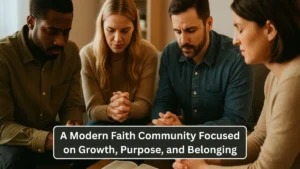
Through prayer, worship, service, mentorship, and fellowship, transformation quietly becomes part of daily life rather than a distant aspiration. This article explores how faith-centered communities shape identity, nurture belonging, encourage service, and create environments where lives change naturally through connection, compassion, shared purpose, and spiritual commitment that continues guiding individuals forward every single day.
A Shared Foundation That Builds Stronger Connections
Faith-centered communities begin with a shared foundation of beliefs that unite individuals across diverse backgrounds, experiences, and generations. This shared spiritual framework creates stability and trust, allowing people to connect beyond surface-level interactions and develop meaningful relationships grounded in respect and understanding.
When individuals gather regularly with a shared purpose, they discover encouragement that strengthens their confidence during difficult seasons and deepens gratitude during joyful moments. These connections often extend beyond formal gatherings into daily life, supporting families, friendships, and personal growth through ongoing interaction and mutual care.

A community grounded in faith encourages individuals to listen more compassionately, support more intentionally, and celebrate progress together rather than alone. Over time, these shared values create environments where people feel welcomed, recognized, and appreciated for who they are.
Such belonging strengthens emotional resilience while encouraging members to grow spiritually and contribute positively to the well-being of others within their community.
Worship Experiences That Inspire Daily Renewal
Meaningful worship experiences help individuals reconnect with their spiritual purpose while strengthening their sense of identity within a supportive community environment. Through music, reflection, prayer, and shared expressions of gratitude, worship gatherings create moments that refresh the heart and restore perspective during busy routines and personal challenges.
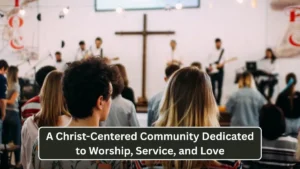
These shared experiences encourage individuals to pause from distractions and focus intentionally on what truly matters in their lives and relationships. Participating in worship together also builds unity, reminding members they are part of something greater than themselves and strengthening collective commitment to positive living.
Over time, consistent worship becomes more than a weekly practice; it becomes a rhythm that shapes daily attitudes, choices, and interactions. As individuals grow more aware of their spiritual direction, they begin carrying encouragement beyond gathering spaces into workplaces, families, and neighborhoods, allowing the inspiration they receive to influence every aspect of their everyday lives in meaningful ways.
Supportive Relationships That Strengthen Emotional Wellbeing
Faith communities provide environments where supportive relationships flourish naturally through shared experiences, open conversations, and genuine concern for one another’s growth. These relationships help individuals feel valued and understood, especially during times when uncertainty or personal struggles create emotional distance from others.
When people gather regularly with compassion and honesty, they develop trust that encourages vulnerability without fear of judgment. Such openness creates opportunities for healing conversations that strengthen both individuals and the wider community. Members learn to encourage one another through challenges while celebrating achievements together with sincerity and gratitude.
Over time, these consistent interactions build networks of encouragement that extend beyond formal meetings into everyday routines and responsibilities. Individuals begin recognizing that they are not alone in their journeys, which increases confidence and reduces feelings of isolation.
This shared emotional support strengthens resilience while helping members remain hopeful and focused on purposeful living together.
Opportunities for Service That Create Meaningful Impact
Serving others remains one of the most powerful ways faith communities transform both individuals and neighborhoods through consistent acts of compassion and generosity. When members participate in outreach efforts, volunteer initiatives, and community support programs, they discover new ways to express their beliefs through action rather than words alone.
These experiences strengthen empathy while encouraging individuals to recognize the needs of others with greater awareness and sensitivity. Serving together also builds teamwork and unity, reminding members that collective efforts often create deeper impact than individual actions performed alone. As individuals become more engaged in helping others, they begin developing stronger confidence in their ability to contribute positively to society.
This confidence encourages continued participation in meaningful service opportunities that extend beyond community gatherings into everyday interactions. Over time, service becomes a natural expression of faith that strengthens relationships while creating lasting change within both personal lives and surrounding communities.
Encouraging Leadership That Inspires Personal Growth
Strong leadership within faith communities creates environments where individuals feel encouraged to explore their potential and contribute their unique strengths confidently. Leaders who model integrity, compassion, and consistency help establish trust that encourages members to participate actively rather than remain passive observers.
Through mentorship, guidance, and example, leaders help individuals recognize their abilities while encouraging them to develop new skills that strengthen both personal confidence and community involvement. This supportive leadership structure allows members to grow gradually into roles that reflect their interests and passions while contributing meaningfully to shared goals.
As individuals begin recognizing their capacity to influence others positively, they develop stronger commitment to living intentionally and responsibly. Leadership within faith communities therefore becomes more than organizational responsibility; it becomes a pathway for transformation that helps individuals discover purpose through participation, encouragement, and service that benefits both themselves and those around them consistently.
Youth Engagement That Shapes Future Generations
Faith-centered communities play a vital role in shaping the character and confidence of younger generations through mentorship, guidance, and meaningful participation opportunities. When young people experience environments where their voices are respected and their questions are welcomed, they develop stronger confidence in their beliefs and identity.
These supportive experiences encourage curiosity while helping youth understand how faith can guide decisions, relationships, and future goals responsibly. Participation in group activities, service projects, and learning opportunities strengthens their sense of belonging while encouraging teamwork and cooperation. As they interact with mentors who demonstrate integrity and compassion, young individuals begin recognizing practical examples of values they can apply in daily life.
Over time, these experiences create strong foundations that influence their choices as adults while encouraging them to remain connected to communities that nurture growth. Supporting youth engagement ensures faith communities continue growing stronger through generations committed to purposeful living.
Hospitality That Creates Welcoming Spaces for Everyone
Hospitality plays an essential role in helping individuals feel comfortable, valued, and accepted when entering faith-centered environments for the first time or returning regularly. A welcoming atmosphere encourages people to relax naturally, participate confidently, and explore opportunities for connection without hesitation or uncertainty. Simple gestures of kindness, attentive listening, and thoughtful communication help create spaces where individuals feel recognized rather than overlooked.
These experiences build trust quickly while encouraging guests to become active participants within the community. Hospitality also reflects deeper values of respect and compassion that strengthen relationships among long-term members and newcomers alike. As individuals experience genuine warmth and inclusion, they begin developing stronger emotional connections that encourage continued participation and personal growth.
Over time, consistent hospitality transforms gathering spaces into environments where everyone feels comfortable exploring faith, building friendships, and discovering opportunities to contribute positively within supportive and encouraging community relationships.
Prayer Practices That Strengthen Spiritual Confidence
Prayer remains a central practice within faith communities because it encourages reflection, gratitude, and deeper awareness of spiritual direction during both joyful and challenging seasons. When individuals pray together regularly, they strengthen their connection not only with their beliefs but also with one another through shared expressions of hope and trust.
These collective moments create opportunities for encouragement that help individuals remain focused on positive growth even when facing uncertainty. Participating in prayer practices also encourages personal discipline and intentional reflection that strengthens confidence in daily decision making. Over time, individuals begin recognizing how consistent prayer influences their perspective, relationships, and emotional resilience in meaningful ways.
As they experience the benefits of shared spiritual practices, they become more willing to support others through encouragement and compassion. Prayer therefore becomes a powerful foundation that strengthens both individual faith journeys and the unity of the wider community consistently.
Compassionate Care That Supports Life’s Difficult Moments
Faith communities often become sources of comfort and stability during seasons of uncertainty, loss, or personal transition when individuals most need encouragement and understanding. Members who respond with compassion create environments where people feel safe sharing concerns without fear of misunderstanding or judgment.
This supportive response strengthens trust while reminding individuals they are surrounded by people who genuinely care about their well-being. Compassionate care also encourages members to remain attentive to the needs of others through small but meaningful gestures that demonstrate kindness consistently. These interactions strengthen relationships while reinforcing shared values that prioritize empathy and responsibility within the community.
Over time, individuals who receive support during difficult moments often become sources of encouragement for others facing similar challenges later. This cycle of compassion strengthens community bonds while ensuring that no member feels isolated during life’s most challenging experiences, creating resilience that benefits everyone involved.
Learning Opportunities That Deepen Understanding
Faith-centered learning opportunities help individuals explore spiritual teachings more thoughtfully while encouraging reflection that strengthens confidence in their beliefs and daily choices. Through discussions, study gatherings, and guided conversations, members gain insights that clarify questions while encouraging curiosity about how faith applies to modern challenges.
These learning experiences create environments where respectful dialogue strengthens understanding rather than creating division or confusion. As individuals explore ideas together, they develop greater appreciation for diverse perspectives that enrich the entire community. Learning also encourages members to apply spiritual principles more intentionally within families, workplaces, and friendships, allowing faith to influence practical decisions consistently.
Over time, continued participation in learning opportunities strengthens both intellectual confidence and emotional resilience, helping individuals remain committed to purposeful living. Communities that prioritize education therefore create lasting environments where curiosity, understanding, and spiritual growth continue strengthening relationships while encouraging meaningful engagement with shared values.
Generosity That Reflects Shared Responsibility
Generosity within faith communities demonstrates how shared responsibility strengthens both individuals and collective progress through consistent acts of giving and cooperation. When members contribute time, resources, and encouragement willingly, they help create environments where everyone benefits from mutual support and shared commitment.
These contributions strengthen trust while encouraging transparency that helps communities operate effectively and responsibly. Generosity also encourages individuals to recognize the value of participating actively rather than remaining distant observers within community life. As members witness the positive results of their contributions, they develop stronger motivation to continue supporting initiatives that benefit others meaningfully.
Over time, generosity becomes part of daily attitudes rather than occasional actions, influencing how individuals interact with neighbors, colleagues, and families. This culture of giving strengthens relationships while reinforcing shared purpose that encourages continued participation in activities designed to improve both personal lives and the wider community consistently.
Fellowship That Builds Lifelong Friendships
Fellowship creates opportunities for individuals to build friendships that extend beyond structured gatherings into everyday experiences filled with encouragement and shared memories. When people spend time together in supportive environments, they develop connections that strengthen confidence and reduce feelings of isolation during challenging seasons.
These friendships often become sources of guidance that help individuals navigate important decisions with greater clarity and reassurance. Fellowship also encourages laughter, celebration, and shared creativity that strengthen emotional well-being while reinforcing a sense of belonging within the community. Over time, these relationships become foundations that support both personal growth and collective progress through consistent communication and mutual respect.
Individuals who experience genuine fellowship often discover renewed enthusiasm for participating actively in community activities that benefit everyone involved. Strong friendships therefore become essential elements that help faith communities remain vibrant, welcoming, and supportive environments where transformation continues unfolding naturally every single day.
Outreach Efforts That Extend Hope Beyond Community Walls
Outreach initiatives help faith communities extend encouragement beyond their immediate gathering spaces into neighborhoods where additional support and connection are often needed. When members participate in outreach activities, they strengthen awareness of social challenges while demonstrating compassion through practical assistance and meaningful engagement.
These initiatives create opportunities for individuals to connect with people they might never meet otherwise, encouraging understanding that strengthens unity across different backgrounds. Outreach efforts also remind members that their influence can extend far beyond familiar environments when they act intentionally with kindness and respect. Over time, participation in outreach strengthens confidence while encouraging individuals to remain attentive to opportunities for service in everyday situations.
Communities that prioritize outreach therefore create lasting connections that inspire hope while strengthening relationships both within and beyond their immediate circles. This commitment ensures transformation continues expanding outward through consistent acts of compassion that benefit many lives daily.
Last Thought
Faith communities thrive when connection, compassion, service, and encouragement become daily practices rather than occasional experiences. Individuals who participate consistently discover stronger confidence, deeper relationships, and renewed purpose guiding their decisions and interactions. These environments remind people they are never walking alone through challenges or celebrations.
As shared values continue shaping attitudes and actions, transformation becomes a natural outcome of belonging together. When faith meets community intentionally each day, lives grow stronger, hope spreads wider, and meaningful change continues reaching families, neighborhoods, and future generations through consistent encouragement and shared commitment to purposeful living.
FAQs
What does a faith-centered community provide individuals?
It offers belonging, guidance, emotional support, and opportunities for meaningful service and growth.
How does community involvement strengthen faith?
Regular connection encourages accountability, shared learning, and consistent spiritual encouragement.
Why is fellowship important in spiritual communities?
Fellowship builds friendships that strengthen confidence and reduce isolation during life’s challenges.
Can outreach activities transform communities?
Yes, outreach spreads compassion, builds unity, and creates positive change beyond gathering spaces.