


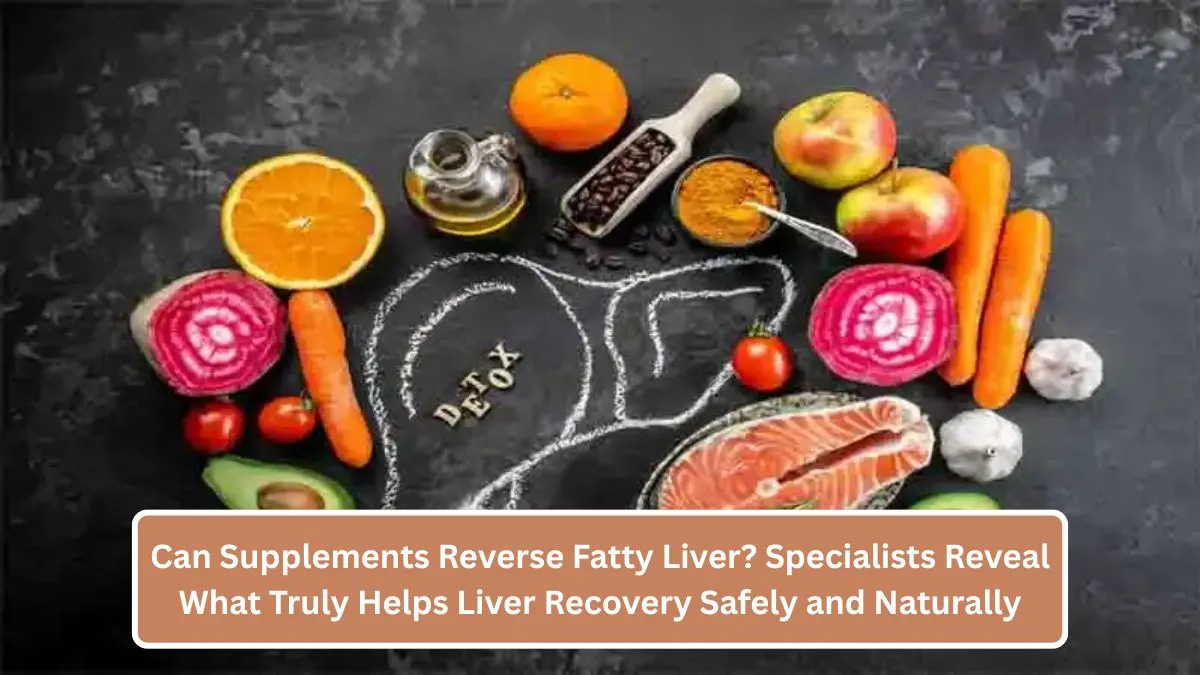
Fatty liver disease is becoming more common every year, especially among people who sit for long hours, eat fast food often, or struggle with weight gain. Many people now wonder if supplements can fix the problem quickly. Ads online promise fast results, but doctors say the truth is more complex.
Supplements can help support liver health in some cases, yet they are not magic cures. Understanding what works and what does not can save money, protect health, and prevent future liver damage. This article explains what liver specialists say about supplements, which ones may help, and what lifestyle habits truly improve fatty liver safely over time.
What Fatty Liver Disease Really Means
Fatty liver disease happens when extra fat builds up inside liver cells. The liver normally processes nutrients, filters toxins, and helps control energy levels. But when too much fat collects there, it becomes harder for the liver to work properly.
There are two main types of fatty liver disease. One type is linked to alcohol use. The other type, called non-alcoholic fatty liver disease, happens mostly because of diet, weight gain, diabetes, or low physical activity. This second type is now very common in many countries.
Many people do not feel symptoms early. Some only learn about it after a routine blood test or ultrasound. That is why it is important to understand how to manage it before serious problems begin.
Can Supplements Actually Reverse Fatty Liver?

Liver doctors explain that supplements alone usually cannot reverse fatty liver disease. However, some supplements may support liver recovery when combined with healthy habits.
The liver is strong and can repair itself. But it needs the right conditions. That means better nutrition, regular movement, weight control, and balanced blood sugar levels.
Supplements should be seen as helpers, not cures. They work best when they support lifestyle improvements instead of replacing them.
Why So Many People Look for Supplement Solutions

Many people choose supplements because they want a fast and simple fix. Busy schedules, stress, and unhealthy eating patterns make lifestyle changes feel difficult.
Online advertisements often promise quick liver detox results. This can make supplements sound more powerful than they really are. Doctors warn that some products are not supported by strong research and may even harm the liver if used incorrectly.
Choosing trusted guidance instead of marketing claims helps protect both health and money.
Supplements Doctors Say May Support Liver Health
Some supplements show promise when used correctly and safely. Liver specialists sometimes recommend them depending on individual health needs.
Below is a simple comparison table explaining common supplement options.
| Supplement | Possible Benefit | Doctor Opinion |
|---|---|---|
| Vitamin E | May reduce liver inflammation | Helpful for some patients only |
| Omega-3 fatty acids | Supports fat metabolism | Often recommended |
| Milk thistle | May protect liver cells | Evidence still limited |
| Vitamin D | Helps immune balance | Useful if levels are low |
| Berberine | Supports blood sugar control | Growing research support |
These supplements work best when guided by medical advice instead of self-treatment.
Supplements That Do Not Work Like Advertisements Claim
Many detox pills promise fast fat removal from the liver. Most of these claims are not supported by strong medical evidence.
Some products contain unknown ingredients or high doses that may stress the liver instead of helping it. Others simply improve digestion but do not change liver fat levels.
Doctors strongly suggest avoiding supplements that promise overnight results. Real liver healing takes time and steady effort.
The Most Effective Way to Reverse Fat accumulation in the Liver
Weight loss is one of the strongest treatments for fatty liver disease. Even losing five to ten percent of body weight can improve liver health greatly.
Regular walking, balanced meals, and better sleep habits support liver repair naturally. These habits improve insulin control, reduce inflammation, and help the body process fat more efficiently.
People often expect complicated treatments, but simple daily changes can produce powerful results over time.
How Diet Plays a Bigger Role Than Supplements
Food choices affect liver fat more than any supplement. Eating too much sugar, fried food, or processed snacks increases fat storage inside liver cells.
Doctors recommend meals that include vegetables, whole grains, lean protein, fruits, and healthy fats. Drinking enough water also supports liver cleansing functions naturally.
Reducing sugary drinks and packaged snacks can improve liver test results within months.
Exercise Helps the Liver Burn Stored Fat Faster
Physical activity helps the body use stored fat as energy. This reduces fat inside the liver and improves blood circulation.
Walking thirty minutes daily can make a big difference. Strength training also improves metabolism and supports long-term liver recovery.
Exercise works together with supplements, but it cannot be replaced by them.
The Role of Blood Sugar Control in Liver Recovery
High blood sugar increases fat storage inside the liver. That is why people with diabetes often develop fatty liver disease more easily.
Managing blood sugar through diet, movement, and medication when needed helps the liver recover faster.
Supplements like omega-3 fatty acids or berberine may support blood sugar balance, but they work best when combined with healthy habits.
How Long Liver Recovery Usually Takes
Many people want quick improvement, but liver healing usually happens slowly. Some people see better blood test results within three months. Others need six months or longer depending on their health condition.
Consistency matters more than speed. Small daily changes bring steady results over time.
Doctors say patience is one of the most important tools for recovery.
When Supplements May Be Recommended by Specialists
Doctors sometimes suggest supplements when test results show vitamin shortages or inflammation levels that need support.
For example, vitamin D supplements may help patients who spend little time outdoors. Omega-3 supplements may help people with high triglyceride levels.
Medical supervision ensures the correct dosage and prevents side effects.
Warning Signs That Need Medical Attention
Fatty liver disease can become serious if ignored. Symptoms such as ongoing fatigue, pain in the upper right abdomen, or unexplained weight changes should be checked by a doctor.
Regular blood tests help track progress and prevent complications. Early action makes treatment easier and more successful.
Listening to medical advice instead of internet myths protects long-term liver health.
The Truth About “Liver Detox” Supplements
Many detox products promise to clean the liver quickly. In reality, the liver already removes toxins naturally every day.
Supplements cannot replace this natural function. Drinking enough water, eating balanced meals, and staying active help the liver perform its job better than detox pills.
Understanding this truth helps people avoid wasting money on ineffective products.
A Smart Plan for Supporting Liver Recovery Safely
The safest strategy combines balanced nutrition, daily movement, healthy weight management, and medical guidance when needed.
Supplements can support this process, but they cannot replace it.
People who follow steady routines often see strong improvements in liver health within months.
Small changes today can protect liver function for many years ahead.
FAQs
1. Can fatty liver go away completely?
Yes, early fatty liver disease can often improve or even disappear with weight loss, better diet habits, and regular exercise over time.
2. Is vitamin E safe for fatty liver patients?
Vitamin E may help some patients, but doctors usually recommend it only after reviewing medical history and lab results.
3. How long does it take supplements to improve liver health?
Supplements may support improvement within several months, but results depend mostly on lifestyle changes.
4. Are detox drinks useful for fatty liver recovery?
Most detox drinks do not remove liver fat. Balanced meals and physical activity work better for long-term improvement.
5. Can young adults develop fatty liver disease?
Yes, poor diet habits, low activity levels, and weight gain can increase risk even in younger people.