


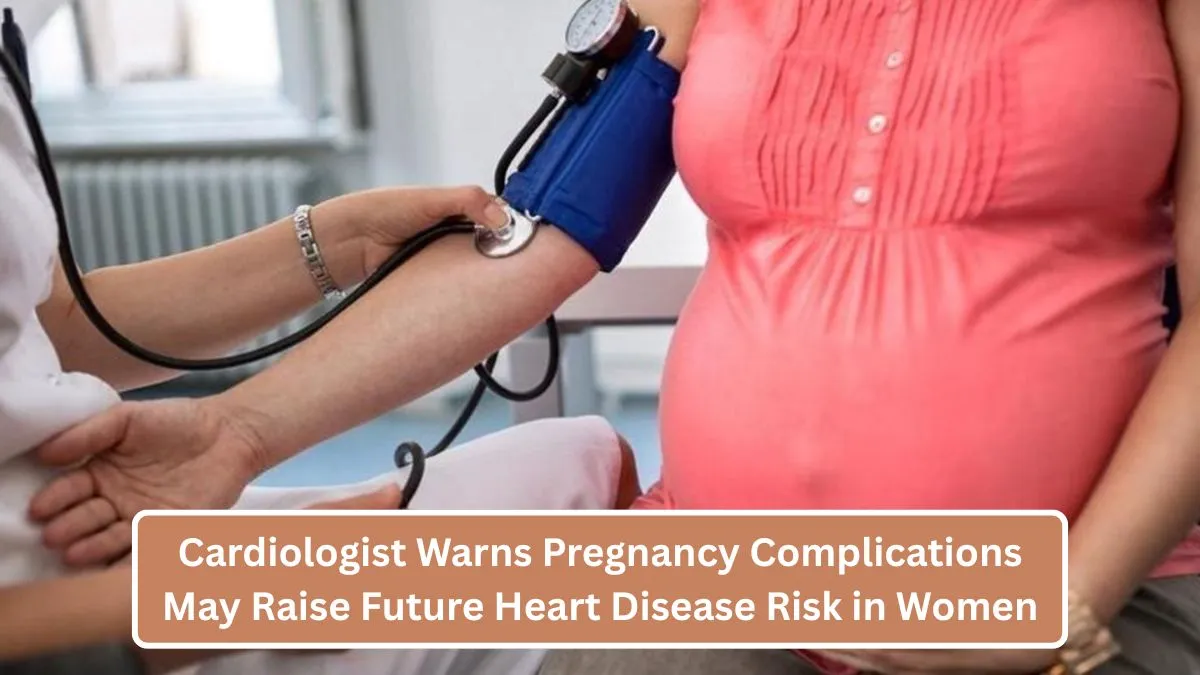
Many women think that once pregnancy is over, their body slowly returns to normal and the health risks disappear. But doctors are now warning that this is not always true. A cardiologist with 20 years of experience has shared an important message: certain pregnancy complications can increase the chance of heart disease later in life.
This does not mean every woman will develop heart problems, but it does mean women should pay closer attention to their health after pregnancy. By learning the warning signs early and making simple lifestyle changes, women can protect their hearts for many years. This article explains what the risks are, why they happen, and what steps women can take to stay strong and healthy.
Cardiologist Shares Important Warning for Women
A heart doctor with two decades of experience is encouraging women to take pregnancy complications seriously, even years after childbirth. Many women believe those problems only matter during pregnancy. However, research shows that some pregnancy conditions can affect the heart later in life.
These complications include high blood pressure during pregnancy, gestational diabetes, preeclampsia, and early delivery. Doctors now understand that these conditions may act as early warning signs. They show how the body reacts to stress and how blood vessels behave.
Pregnancy is sometimes called a “natural stress test” for the body. If complications appear, they may reveal hidden health risks that could grow over time. This means women who had difficult pregnancies should not ignore follow-up care after giving birth. Instead, they should monitor their heart health regularly.


Understanding this connection helps women take action early and protect their future health.
Why Pregnancy Complications Affect the Heart Later
During pregnancy, the heart works harder than usual. It pumps more blood and supports both the mother and the baby. For some women, this extra pressure causes health problems that continue after pregnancy ends.
Conditions like preeclampsia raise blood pressure suddenly. High blood pressure can damage blood vessels over time. This damage increases the chance of heart disease later in life.

Gestational diabetes is another important condition. It affects how the body controls sugar levels. Even after pregnancy ends, women who had gestational diabetes are more likely to develop type 2 diabetes. Diabetes is a major risk factor for heart disease.
These conditions do not always cause immediate symptoms. That is why many women feel fine but still face risks later. Regular checkups help detect changes early and prevent serious problems.
Common Pregnancy Complications Linked to Heart Disease
Doctors have identified several pregnancy complications that may increase future heart risk. Knowing these conditions helps women understand when to seek medical advice.
Some of the most common risk-related complications include high blood pressure during pregnancy, gestational diabetes, preeclampsia, premature delivery, and having a baby with low birth weight. Each condition shows how the body responds to stress and changes in blood flow.
Women who experienced one or more of these complications should share this history with their doctor. Even many years after childbirth, this information helps doctors make better health decisions.
Early awareness allows women to make smart lifestyle choices that support long-term heart health.
Pregnancy Complications and Possible Long-Term Heart Risks
| Pregnancy Condition | What Happens During Pregnancy | Possible Future Heart Risk |
|---|---|---|
| High Blood Pressure | Blood pressure rises above normal levels | Increased risk of hypertension later |
| Preeclampsia | Sudden high blood pressure with swelling | Higher chance of heart disease and stroke |
| Gestational Diabetes | High blood sugar during pregnancy | Risk of type 2 diabetes and heart problems |
| Premature Delivery | Baby born before full term | Linked with future heart issues |
| Low Birth Weight Baby | Baby smaller than expected | May signal blood vessel problems |
This table shows why pregnancy history is important for long-term health decisions.
Signs Women Should Watch After Pregnancy
Heart disease often develops slowly. Many women do not notice early symptoms. That is why doctors recommend paying attention to small warning signs.
Some signs include unusual tiredness, shortness of breath, chest discomfort, swelling in the legs, and frequent headaches. These symptoms do not always mean heart disease, but they should never be ignored.
Women who had pregnancy complications should especially stay alert. Tracking blood pressure, blood sugar, and cholesterol levels helps detect risks early.
Simple tests during routine doctor visits can reveal important changes. Early detection makes treatment easier and more effective.
Listening to the body is one of the strongest tools women have for protecting their heart health.
Why Many Women Do Not Know About This Risk
One major problem is lack of awareness. Many women are never told that pregnancy complications can affect their heart later in life.
After childbirth, medical visits usually focus on the baby. The mother’s long-term health sometimes receives less attention. Because of this, women may not realize they need follow-up care.
Another reason is that symptoms may appear years later. This delay makes it harder to connect pregnancy history with heart health problems.
Doctors now encourage women to keep a record of pregnancy complications and share it during future health checkups. This simple step can help prevent serious health issues later.
Better awareness leads to stronger prevention and healthier lives.
Steps Women Can Take to Protect Their Heart
The good news is that women can lower their heart disease risk by making healthy choices. Even small changes can make a big difference over time.
Eating balanced meals with fruits, vegetables, and whole grains supports heart health. Reducing salt and processed food helps control blood pressure.
Regular physical activity also strengthens the heart. Walking for 30 minutes most days improves circulation and energy levels.
Maintaining a healthy weight reduces stress on the heart and blood vessels. Managing stress through relaxation, hobbies, or spending time with family also supports overall wellness.
These simple habits protect the heart and improve quality of life for many years.
Importance of Regular Health Checkups After Pregnancy
Many women stop visiting doctors regularly after childbirth. However, follow-up care is very important for long-term health.
Doctors recommend checking blood pressure at least once a year. Women who had gestational diabetes should monitor blood sugar levels more often.
Cholesterol testing also helps identify early risk factors. These tests are quick and simple but provide valuable information about heart health.
Sharing pregnancy history with healthcare providers helps them understand possible risks. This allows doctors to create better health plans.
Regular checkups are one of the easiest ways to prevent serious heart problems later in life.
How Family Support Can Help Women Stay Healthy
Family members play an important role in helping women maintain good health after pregnancy. Support from partners, parents, and friends makes healthy habits easier to follow.
Encouragement can help women stay active, attend doctor visits, and manage stress. Families can also help by preparing healthy meals and sharing household responsibilities.
When women feel supported, they are more likely to take care of themselves. This improves both physical and emotional well-being.
Healthy families create strong communities, and strong communities help women live longer and healthier lives.
Why This Warning Matters for Younger Women Too
Some women believe heart disease only affects older people. However, pregnancy complications can increase risk at a younger age.
Understanding this connection early helps women make better choices. Healthy habits started in the twenties and thirties provide protection later in life.
Even women planning future pregnancies can benefit from learning about these risks. Talking with doctors before pregnancy helps create safer health plans.
Early awareness gives women more control over their future health.
Final Thoughts on Protecting Women’s Heart Health
Pregnancy is a powerful experience, but it also reveals important information about a woman’s health. Complications during pregnancy should never be ignored once childbirth is over.
Women who experienced high blood pressure, gestational diabetes, or preeclampsia may face higher risks later in life. However, these risks can often be reduced through regular checkups, healthy habits, and strong support systems.
Listening to medical advice and staying informed helps women protect their hearts for the future. Awareness is the first step toward prevention.
Every woman deserves the chance to live a long, active, and healthy life. Taking pregnancy history seriously can make that possible.
FAQs
1. Can pregnancy complications really affect heart health years later?
Yes. Conditions like high blood pressure and gestational diabetes during pregnancy can increase the chance of heart disease later. These conditions show how the body reacts to stress and may reveal hidden risks.
2. What is the most common pregnancy complication linked to heart disease?
Preeclampsia is one of the strongest warning signs. It raises blood pressure quickly and can damage blood vessels, which increases long-term heart risk if not monitored.
3. Should women visit a doctor even years after pregnancy complications?
Yes. Doctors recommend regular checkups for blood pressure, cholesterol, and blood sugar. These tests help detect early warning signs before serious problems develop.
4. Can lifestyle changes reduce the risk after pregnancy complications?
Healthy eating, regular exercise, stress control, and maintaining a healthy weight can greatly reduce heart disease risk and improve overall health.
5. Are younger women also at risk after pregnancy complications?
Yes. Heart risk can begin earlier than expected. Learning about these risks early helps women take preventive steps and protect their health long term.