


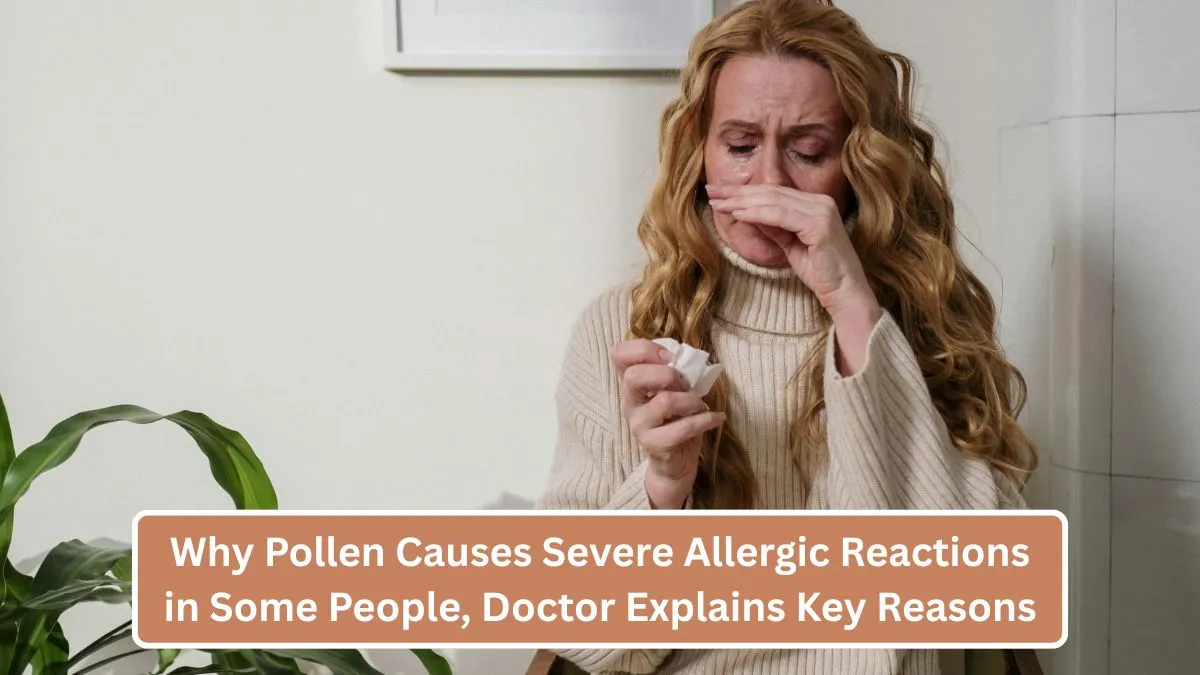
Many people enjoy spring and early summer when flowers bloom and trees grow new leaves. But for some people, this time of year can be very hard. They start sneezing, coughing, and feeling tired because of pollen allergies. In some cases, the reaction becomes very strong and even dangerous. A doctor from Maryland explained why pollen affects some people much more than others.
This article explains what pollen is, why it causes severe allergic reactions in certain people, how the immune system responds, and what simple steps can help reduce symptoms. The goal is to help readers clearly understand what is happening inside the body and how they can protect themselves and their families from strong allergy problems during pollen season.
What Is Pollen and Why Is It Everywhere?
Pollen is a very small powder made by plants. Trees, grass, and flowers release pollen into the air so plants can grow new seeds. Because pollen is so light, the wind carries it far from where it started. This is why people can still have allergies even if they are not close to plants.
When pollen enters the nose, eyes, or lungs, most people’s bodies ignore it. But some people’s immune systems react strongly. Their body treats pollen like something dangerous. This causes allergy symptoms such as sneezing, itchy eyes, coughing, and a runny nose.
During spring and fall, pollen levels become higher. This increases the chance of breathing in more pollen. As a result, allergy symptoms become worse during these seasons.
Why Some People Have Severe Allergic Reactions


Not everyone reacts to pollen the same way. Some people feel only mild discomfort. Others experience strong reactions that affect daily life.
Doctors explain that this happens because each person’s immune system works differently. When someone has a pollen allergy, their immune system believes pollen is harmful. It releases chemicals like histamine to fight it. Histamine causes swelling, itching, and mucus in the body.
People with sensitive immune systems react faster and stronger. This makes their symptoms more serious. In rare cases, breathing can become difficult, and medical care may be needed.

Family history also plays an important role. If parents have allergies, their children are more likely to develop allergies too.
How the Immune System Responds to Pollen
The immune system protects the body from harmful germs. But sometimes it makes mistakes. When pollen enters the body, the immune system of allergic people treats it like a dangerous invader.
First, the body creates special proteins called antibodies. These antibodies recognize pollen. The next time pollen enters the body, the antibodies react quickly.
This reaction causes the release of histamine and other chemicals. These chemicals create allergy symptoms such as:
- Sneezing
- Itchy eyes
- Runny nose
- Coughing
- Skin irritation
In severe cases, the airways can become narrow. This makes breathing harder and may require medical treatment.
Common Symptoms of Severe Pollen Allergy
Severe pollen allergies affect people in different ways. Some symptoms are easy to notice, while others become serious quickly.
Here are common symptoms people experience:
| Symptom | What It Feels Like | Why It Happens |
|---|---|---|
| Sneezing | Repeated sudden sneezes | Body tries to remove pollen |
| Runny nose | Constant dripping nose | Extra mucus forms |
| Itchy eyes | Burning or watery eyes | Eye irritation from pollen |
| Breathing trouble | Tight chest feeling | Airways become swollen |
| Fatigue | Feeling very tired | Body uses energy to react |
Understanding these symptoms helps people take action early before the condition becomes worse.
Why Allergy Reactions Are Getting Stronger Today
Doctors have noticed that pollen allergies are becoming more common and stronger in recent years. There are several reasons for this change.
One reason is climate change. Warmer temperatures allow plants to produce pollen for longer periods. This means people are exposed to pollen for more days each year.
Another reason is air pollution. Pollution can make pollen particles stronger and more harmful. When polluted air mixes with pollen, the body reacts more strongly.
Indoor lifestyle changes also affect allergies. Spending more time inside reduces natural exposure to outdoor elements. This can make the immune system more sensitive when it finally meets pollen again.
Who Is Most at Risk of Severe Pollen Allergies?
Some groups of people have a higher risk of strong allergic reactions.
Children often develop allergies early in life. Their immune systems are still learning how to respond to new substances.
People with asthma also face higher risks. Pollen can make breathing problems worse and cause asthma attacks.
People with a family history of allergies are more likely to develop pollen sensitivity. Genetics plays a strong role in how the immune system reacts.
City residents may also experience stronger symptoms because pollution increases allergy triggers.
When Pollen Allergies Become Dangerous
Most pollen allergies are not life threatening. However, sometimes symptoms become serious and require quick medical attention.
Danger signs include:
- Trouble breathing
- Chest tightness
- Severe coughing
- Swelling of the throat
- Feeling dizzy or weak
Doctors warn that people should never ignore these symptoms. Early treatment can prevent serious health problems.
People with asthma must be especially careful during high pollen days.
Simple Ways to Reduce Exposure to Pollen
Reducing contact with pollen can greatly improve symptoms. Doctors suggest several easy steps people can follow daily.
Stay indoors when pollen levels are high, especially in the morning when pollen spreads most.
Keep windows closed during peak pollen seasons. This prevents pollen from entering the house.
Wash hands and face after coming home from outside. This removes pollen from the skin.
Change clothes after outdoor activities. Pollen often sticks to clothing.
Use air filters at home if possible. Clean indoor air helps reduce allergy triggers.
These small actions can make a big difference in daily comfort.
Treatment Options Doctors Recommend
Doctors often suggest different treatments depending on how strong the allergy symptoms are.
Antihistamine medicines help reduce itching and sneezing. These medicines block the chemical histamine inside the body.
Nasal sprays reduce swelling in the nose. This makes breathing easier.
Eye drops help calm irritation and redness.
For people with severe allergies, doctors may suggest allergy shots. These shots slowly train the immune system to react less strongly to pollen.
Regular medical advice is important before starting any treatment.
How Parents Can Protect Children From Strong Reactions
Children often do not understand what allergy symptoms mean. Parents should watch carefully during pollen season.
Check daily pollen levels before outdoor play.
Encourage children to wash their hands and face after coming inside.
Keep bedrooms clean and dust free.
Talk to doctors if symptoms appear often.
Early care helps children stay healthy and active even during allergy seasons.
Living Comfortably During Pollen Season
Living with pollen allergies can be difficult, but simple habits can make life easier.
Plan outdoor activities when pollen levels are lower.
Wear sunglasses outside to protect eyes.
Drink enough water each day.
Follow medical advice regularly.
Track symptoms to understand what triggers reactions.
With the right steps, people can enjoy seasonal changes without strong discomfort.
FAQs
1. Why does pollen cause allergies in some people only?
Some people have immune systems that treat pollen like a harmful substance. This causes the body to release chemicals that create allergy symptoms such as sneezing and itching.
2. Can pollen allergies become dangerous?
Yes. In rare cases, pollen allergies can cause breathing problems or asthma attacks. Medical help is important if symptoms become serious.
3. Which season has the highest pollen levels?
Spring and early fall usually have the highest pollen levels because trees, grass, and weeds release more pollen during these times.
4. Are children more likely to develop pollen allergies?
Children can develop allergies early because their immune systems are still growing. Family history also increases their risk.
5. What is the best way to reduce pollen allergy symptoms?
Stay indoors during high pollen times, keep windows closed, wash after outdoor activities, and follow doctor advice for treatment.