
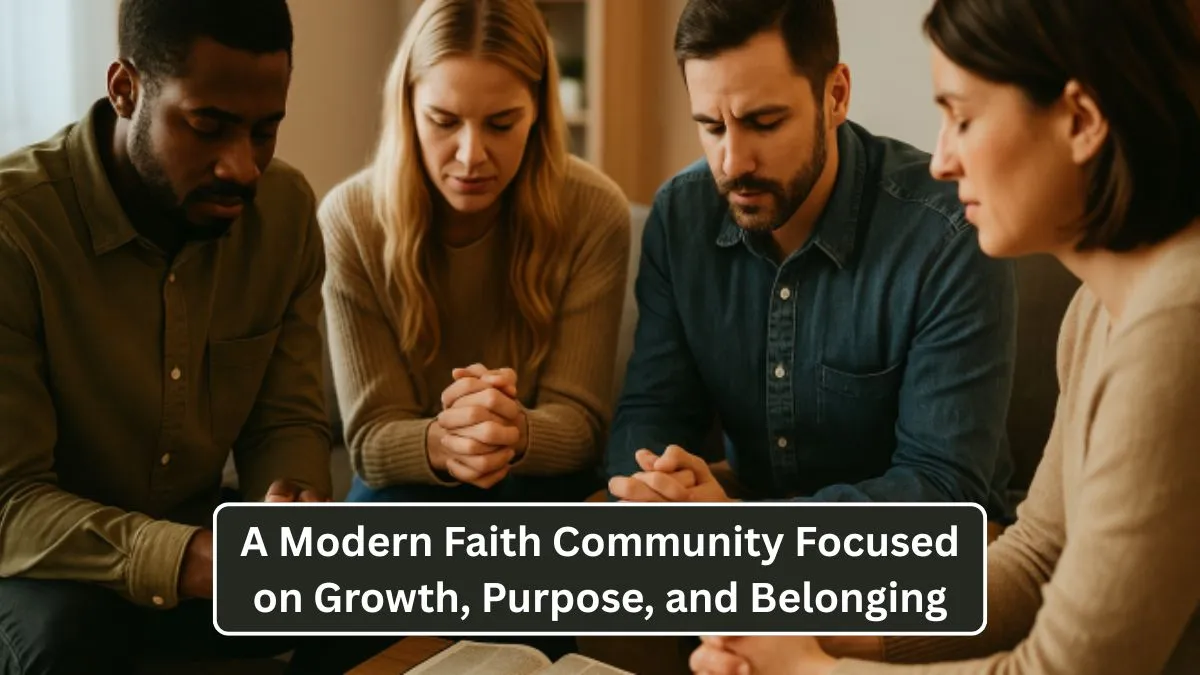
A modern faith community focused on growth, purpose, and belonging represents more than a gathering space for weekly worship; it becomes a living environment where people discover meaning, develop relationships, and explore their spiritual identity through shared values and intentional practices. In today’s rapidly changing world, many individuals seek stability alongside relevance, longing for a supportive environment that honors tradition while embracing thoughtful innovation and cultural awareness.
Such communities encourage personal transformation through study, reflection, service, and collaboration, helping members connect faith with everyday responsibilities and aspirations. They also create opportunities for people from diverse backgrounds to learn from one another while building trust and compassion.
By blending spiritual depth with practical guidance, a modern faith community becomes a place where individuals experience encouragement, direction, and hope as they pursue a life shaped by purpose, resilience, and belonging within a caring network.
Embracing Spiritual Growth Through Shared Learning
A modern faith community encourages spiritual growth by creating environments where shared learning becomes an everyday experience rather than a rare event limited to formal gatherings. Members participate in thoughtful discussions, reflective study sessions, and collaborative exploration of sacred teachings that help them understand how faith shapes decisions, relationships, and responsibilities in contemporary life.
This shared learning process strengthens confidence and curiosity while encouraging individuals to ask meaningful questions and explore deeper perspectives without fear of judgment. Leaders guide conversations carefully so participants feel respected and valued while discovering insights together through dialogue and reflection. Over time, these interactions cultivate habits of spiritual discipline that support resilience and thoughtful living beyond community settings.

As members grow together through learning experiences, they develop a stronger sense of connection with one another and with their faith traditions, reinforcing trust and encouraging consistent engagement with spiritual practices that nurture purpose and belonging.
Cultivating a Culture of Authentic Belonging
Authentic belonging develops when individuals feel accepted not only for their strengths but also for their questions, uncertainties, and personal journeys within a supportive community environment. A modern faith community intentionally creates spaces where members share experiences openly, listen with compassion, and celebrate diversity without losing their shared spiritual foundation.
Through welcoming practices and thoughtful hospitality, newcomers quickly sense that participation matters and that their presence contributes meaningfully to collective growth. Over time, consistent interactions help relationships deepen beyond surface conversations, allowing members to support one another through challenges and achievements alike.
Leaders reinforce this atmosphere by modeling kindness, patience, and respect in everyday communication and decision making. As belonging strengthens across generations and backgrounds, the community becomes a place where individuals confidently explore their purpose while experiencing emotional safety, spiritual encouragement, and genuine connection that sustains long term commitment and shared responsibility.
Encouraging Purpose Through Meaningful Service
Purpose becomes clearer when individuals discover opportunities to serve others in ways that reflect their values and abilities while strengthening connections within their faith community. A modern faith community organizes service initiatives that address local needs thoughtfully while encouraging members to participate according to their unique talents and availability.
Through collaborative outreach projects, participants recognize how small actions contribute to broader transformation across neighborhoods and relationships. These experiences deepen empathy while helping individuals understand how faith expresses itself through practical care and responsibility. Leaders guide volunteers carefully so service remains respectful, sustainable, and responsive to changing circumstances rather than becoming routine obligations without reflection.
Over time, members begin to recognize service as an essential expression of spiritual identity rather than a separate activity. This understanding strengthens confidence, inspires continued involvement, and supports a lasting sense of purpose that influences everyday choices and strengthens shared commitment.
Strengthening Relationships Across Generations
A thriving faith community values relationships across generations because shared wisdom and fresh perspectives together create balanced understanding and mutual encouragement. Younger members benefit from guidance shaped by experience, while older participants gain renewed energy through interaction with emerging ideas and questions. Structured mentoring opportunities support meaningful exchanges that strengthen trust and help individuals recognize the importance of listening as carefully as they speak.
Community gatherings intentionally include activities that encourage cooperation rather than separation, allowing families and individuals from different stages of life to collaborate naturally. These shared experiences help remove misunderstandings that often develop when generations interact infrequently or only during formal events.
As trust grows through consistent conversation and collaboration, members begin to appreciate how their diverse experiences contribute to a stronger community identity. This intergenerational connection reinforces belonging while supporting personal growth and creating stability that sustains shared purpose across time.
Supporting Personal Reflection and Inner Growth
Personal reflection plays an essential role in helping individuals understand how spiritual values influence their decisions, relationships, and responses to everyday challenges. A modern faith community encourages reflective practices that support inner growth through guided conversations, quiet moments of contemplation, and opportunities for journaling or thoughtful discussion within trusted groups.
These experiences allow members to pause from constant activity and evaluate how their actions align with their beliefs and aspirations. Leaders provide encouragement without pressure, helping participants explore their questions at a comfortable pace while maintaining respect for individual experiences. Over time, consistent reflection strengthens emotional awareness and spiritual confidence, enabling individuals to respond thoughtfully rather than react impulsively during difficult situations.
This process also helps members recognize personal strengths that support service and leadership within the community. Through regular reflection, individuals develop resilience, clarity, and renewed commitment to purposeful living shaped by faith and compassion.
Creating Inclusive Opportunities for Participation
Inclusive participation ensures that every individual feels invited to contribute meaningfully according to their abilities, experiences, and interests within a modern faith community. Leaders design activities that encourage collaboration across backgrounds while recognizing that different personalities engage most effectively through varied approaches and responsibilities.
Some members prefer leadership roles, while others contribute through organization, creativity, or supportive encouragement that strengthens community life quietly but significantly. By valuing each contribution equally, the community demonstrates respect for diverse talents and encourages members to explore new ways of serving confidently. Regular feedback opportunities help leaders adjust programs thoughtfully so participation remains welcoming and accessible for everyone involved.
Over time, this inclusive environment strengthens trust and encourages members to invest their energy more fully in shared goals. As individuals experience appreciation and recognition for their involvement, they develop deeper commitment and confidence that supports long term engagement and belonging.
Integrating Worship With Everyday Life
Worship becomes more meaningful when individuals recognize its connection with everyday experiences rather than viewing it as an isolated activity limited to specific gatherings or locations. A modern faith community helps members understand how worship influences attitudes, decisions, and relationships throughout their routines by encouraging thoughtful reflection on spiritual teachings and their practical applications.
Leaders guide participants in exploring how gratitude, humility, and compassion can shape daily interactions at home, work, and within broader society. Through this integration, worship becomes a consistent influence that supports ethical decision making and emotional balance during both ordinary moments and unexpected challenges. Community conversations reinforce these connections by encouraging members to share experiences and insights gained through personal practice.
As understanding deepens, individuals begin to recognize worship as an ongoing relationship rather than a scheduled event, strengthening their sense of purpose while supporting spiritual growth and shared identity within the community.
Encouraging Thoughtful Leadership Development
Leadership development plays an important role in sustaining a modern faith community that values growth, purpose, and belonging across changing circumstances and generations. Emerging leaders benefit from opportunities to observe experienced mentors while gradually accepting responsibilities that strengthen confidence and understanding. Structured training programs encourage thoughtful decision making and emphasize the importance of listening carefully before responding to community needs.
Leaders learn to balance tradition with innovation so that community practices remain meaningful while adapting responsibly to contemporary challenges. Regular reflection sessions help leaders evaluate their effectiveness and identify areas requiring continued learning or collaboration. As individuals grow into leadership roles gradually, they develop a deeper appreciation for shared responsibility and accountability within the community.
This careful preparation ensures that leadership remains compassionate, informed, and responsive while supporting members consistently through encouragement and guidance that strengthens trust and shared commitment across every level of participation.
Building Resilience Through Shared Support Systems
Resilience develops more effectively when individuals know they are supported by relationships that offer encouragement, understanding, and practical assistance during uncertain or difficult seasons of life. A modern faith community strengthens resilience by creating structured support systems that help members remain connected even when circumstances change unexpectedly.
Through regular communication, small group gatherings, and compassionate outreach efforts, individuals experience reassurance that they are not facing challenges alone. These support systems also encourage members to share their experiences honestly, allowing others to respond with empathy and thoughtful guidance rather than assumptions. Leaders coordinate resources carefully so assistance remains respectful and appropriate while protecting personal dignity.
Over time, consistent support strengthens confidence and emotional stability, enabling individuals to continue contributing positively within their community. As resilience grows collectively, members develop deeper trust in one another and greater confidence in their shared purpose and spiritual identity.
Connecting Faith With Community Engagement
Community engagement allows members of a modern faith community to express their beliefs through meaningful interaction with the neighborhoods and organizations surrounding them. By participating in partnerships that address educational needs, social challenges, and environmental concerns, individuals demonstrate how faith motivates responsible citizenship and compassionate action.
These partnerships encourage members to understand local experiences more clearly while building relationships that extend beyond traditional community boundaries. Leaders help participants evaluate opportunities carefully so engagement remains respectful and collaborative rather than symbolic or temporary. Through consistent involvement, members recognize how their efforts contribute to long term improvement and shared wellbeing across diverse groups.
This awareness strengthens confidence and reinforces the understanding that faith influences both personal values and public responsibilities. As engagement continues over time, individuals experience greater purpose and belonging while contributing positively to communities that benefit from their commitment and thoughtful participation.
Encouraging Open Dialogue and Honest Questions
Open dialogue strengthens trust within a modern faith community by creating opportunities for individuals to explore questions thoughtfully without fear of misunderstanding or rejection. Leaders encourage respectful conversation that welcomes different perspectives while maintaining a shared commitment to understanding spiritual teachings responsibly and carefully.
Members learn to listen attentively and respond with patience, recognizing that questions often reflect sincere efforts to deepen faith rather than challenge community identity. Through guided discussions, participants discover how dialogue supports growth by helping them clarify beliefs and appreciate diverse experiences within their community.
This process also encourages humility and curiosity, qualities that strengthen relationships across differences. Over time, consistent dialogue creates confidence that questions are valued rather than discouraged, allowing individuals to participate more fully in shared learning experiences.
As openness becomes a defining characteristic of community culture, members develop stronger connections that support belonging and thoughtful spiritual exploration together.
Supporting Families in Their Spiritual Journeys
Families play an essential role in shaping the future of a modern faith community because shared experiences at home influence how individuals understand faith and belonging across generations. Community programs support families by providing resources that encourage meaningful conversations about values, responsibility, and compassion within everyday routines.
Parents receive guidance that helps them model spiritual practices naturally while respecting the unique personalities and questions of their children. Youth activities create safe environments where younger members explore their beliefs confidently while building friendships that strengthen long term engagement. Intergenerational gatherings reinforce connections between families and the wider community, encouraging cooperation rather than separation between age groups.
Over time, these supportive efforts help families develop habits that strengthen communication and shared purpose. As families grow together through participation, they contribute stability and continuity that sustain the community’s mission while encouraging future generations to remain actively involved.
Sustaining Hope Through Shared Vision and Commitment
A shared vision helps members of a modern faith community remain united during changing circumstances by providing direction that reflects both tradition and thoughtful adaptation to new challenges. Leaders communicate this vision clearly so individuals understand how their participation contributes meaningfully to long term goals that strengthen belonging and spiritual growth.
Through collaborative planning processes, members share ideas that shape community priorities responsibly and encourage continued engagement. Regular evaluation ensures that activities remain aligned with shared values while responding effectively to emerging needs within the community and surrounding society. As individuals recognize their contributions within this broader vision, they develop confidence that their efforts support lasting transformation rather than temporary results.
This understanding strengthens commitment and encourages cooperation across diverse groups within the community. Over time, shared vision becomes a source of hope that inspires resilience, strengthens relationships, and reinforces purpose through consistent participation and encouragement.
Last Thought
A modern faith community focused on growth, purpose, and belonging becomes a powerful environment where individuals discover direction, confidence, and meaningful relationships that support both personal transformation and collective responsibility. Through shared learning, service, reflection, and compassionate dialogue, members experience encouragement that strengthens resilience and inspires consistent engagement across generations.
When communities remain intentional about inclusion, leadership development, and authentic connection, they create lasting spaces where people feel valued and supported. Such communities not only nurture spiritual identity but also encourage individuals to contribute positively within society while sustaining hope through shared commitment.
FAQs
What defines a modern faith community today?
A modern faith community blends traditional spiritual values with inclusive practices, meaningful service, and open dialogue relevant to contemporary life.
How does belonging influence spiritual growth?
Belonging creates emotional safety, encouraging individuals to explore faith confidently while building supportive relationships that strengthen commitment.
Why is service important in faith communities?
Service connects beliefs with real action, helping members experience purpose while supporting neighbors and strengthening community impact.
Can families benefit from participating together?
Yes, shared participation strengthens communication, values, and long term engagement across generations within a supportive spiritual environment.